

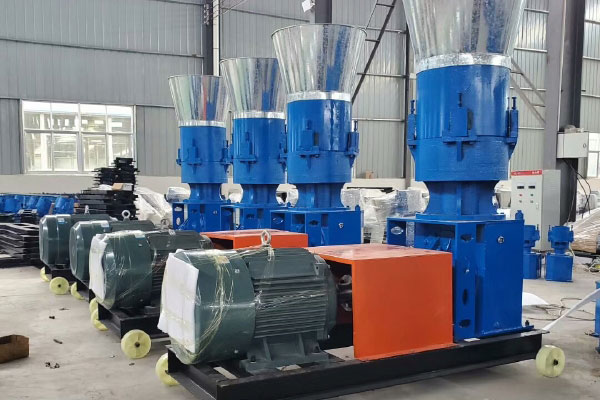

South Africa’s poultry sector contributes over R50 billion to the national economy annually, yet feed costs consume up to 70% of farm expenses — a challengechicken feed pellet machines are uniquely designed to solve.
As the sun sets over the Drakensberg and your chickens settle into their roosts, you might wonder:
“How can I reduce feed costs without compromising quality?”
It’s a question plaguing farmers from small-scaleplatteland plots in Limpopo to commercial operations in the Free State. The answer? A reliable chicken feed pellet machine. This isn’t just machinery; it’s your ally against rising feed prices, wastage, and shrinking profit margins.
1. 🇿🇦Why SA Poultry Farmers Need Pellet Machines: A Local Perspective
South Africa’s poultry industry facesunique pressures: erratic maize yields (a key feed ingredient), rising input costs, and the need for nutritionally balanced feed suited to local conditions. A pellet machine built for SA isn’t a luxury—it’s essential.
- Climate & Culture Compatibility:
From the arid Karoo to humid KwaZulu-Natal coastlines, pellet machines process local ingredients (like Free State soybeans or North West sunflower meal) into dust-free, durable pellets. This reduces wind wastage (critical in the Western Cape!) and prevents spoilage in high-humidity regions.
Local tip: Opt for machines with rust-resistant steel rollers to withstand coastal corrosion. - Economic Survival:
Processing raw materials locally cuts out middlemen. A pellet machine can reduce feed costs by 30% and improve Feed Conversion Ratio (FCR) by up to 18% through enhanced digestibility.
For SA farmers: Smallholders can start with electric 50–100 kg/h models (R25,000–R45,000), while commercial farms need diesel-powered 1–2 ton/h systems (R150,000+).
2. 🧠 How a Chicken Feed Pellet Machine Works: Science Meets Farming
Pelletizing isn’t just grinding—it’snutritional engineering:
- Crushing & Mixing:
Ingredients (maize, soy, minerals) are finely ground and uniformly blended. SA-specific: Machines with humidity-resistant mixers prevent clumping in high-moisture regions. - Steam Conditioning & Pelletizing:
Steam binds nutrients before a rotor and die compress the mix into dense pellets.
Key tech: Choose SKD11 alloy steel dies—they outlast standard steel in SA’s harsh conditions. - Cooling & Sifting:
Pellets are cooled to retain hardness. Machines with energy-efficient coolers are critical amid Eskom’s load shedding!
3. 🔧Choosing the Right Machine for YOUR Farm
| Machine Type | ความจุ | เหมาะสำหรับ | Cost (ZAR) | SA Recommendation |
|---|---|---|---|---|
| Electric (Ring Die) | 50–100 kg/h | Smallholdings (<500 นก) | R22,000–R40,000 | Urban Gauteng/Limpopo |
| Diesel-Powered | 300–500 kg/h | Mid-sized farms (500–2,000) | R85,000–R130,000 | Rural areas with unstable grid |
| Production Line | 1–2 ตัน/ชม. | Commercial farms (>5,000) | R180,000+ | Free State/Eastern Cape |
- SA-Specific Considerations:
- Power flexibility: Diesel/petrol models avoid load shedding disruptions.
- Ingredient versatility: Machines must process local feeds (lupins, lucerne) without clogging.
- Local support: Buy from suppliers with technical service hubs (เช่น, Pretoria, Cape Town, Bloemfontein).
4. 🌿Why Pellet Feed? Benefits Through a South African Lens
- Less Waste, More Profit:
Loose feed incurs 30% wastage (wind/scatter). Pellets cut this to ภายใต้ 5%—a game-changer in maize-scarce SA! - Health & Growth:
Pellets deliver balanced nutrition in every bite, preventing selective eating. Result: faster growth, higher egg production, and resilience against diseases like Newcastle. - Long-Term Storage:
Resistant to humidity and mold—ideal for Cape winters or Mpumalanga summers.
5. 💼Practical Tips: Starting with Your Pellet Machine
- Local Sourcing:
Use agricultural waste like sunflower hulls (Free State) หรือ lucerne hay (North West) via local cooperatives.
Test your recipe: Blend 60% maize, 25% ถั่วเหลือง, 15% lime—compare weight gain vs. commercial feed. - Maintenance for Longevity:
- Grease gears monthly with Shell Lubrimax (available at Midas).
- Clean dies with rice flour to prevent clogging.
- Store machines indoors to avoid rust (coastal priority!).
- Local Branding:
Name pellets “Gold Pellets” (mining regions) หรือ “Mbiza Pellets” (Zulu: “Feast”). Use bilingual labels (English + Afrikaans/Zulu).
Final Word: เริ่มฉลาด, Pelletize Local
Whether you’re aboer in Rustenburg or a poultry entrepreneur in East London, a chicken feed pellet machine is your key to resilience. By leveraging local ingredients, adapting to power challenges, and speaking farmers’ language, you’re not just running a business—you’re building afuture-proof farming legacy.
“Farming in South Africa isn’t just a business—it’s a lifestyle of resilience. Pelletize your path to profit!”