

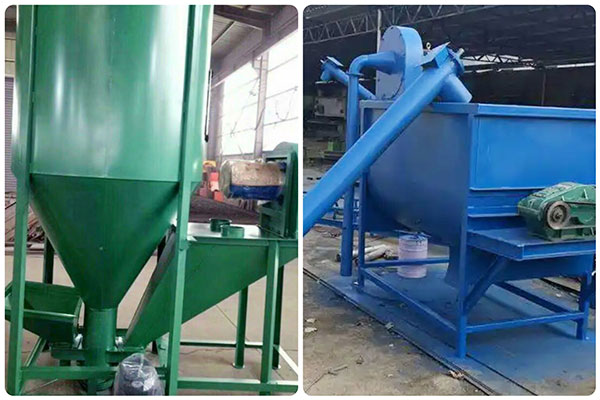

In modern animal feed processing, feed mixer is a key equipment to ensure uniform nutritional ratio of feed. From the perspective of comparative analysis of vertical and horizontal feed mixers, we can fully understand the differences between the two in terms of structure, mixing efficiency, applicable scale and performance characteristics.
Comparison of structure and applicable scenarios
Vertical Feed Mixer: The main shaft is set vertically, and the mixing chamber is cylindrical or conical from top to bottom. It has a compact structure and small footprint, which is suitable for small and medium-sized sites, such as family farms or feed premixing operations.
Horizontal Feed Mixer: The main shaft is arranged in parallel, смесительный цилиндр длинный и цилиндрический, с большей емкостью и более сложной конструкцией, который подходит для крупных ферм или массового производства на комбикормовых заводах.
Различия в эффективности и однородности смешивания
Вертикальный: Опираясь на движение материала вверх и вниз в бочке и спиральное движение для достижения смешивания., Преимущества: простая конструкция и легкая очистка., но время смешивания длительное и способность контролировать следовые ингредиенты (<3кг/МТ) ограничен.
Горизонтальный: Через несколько пропеллеров, лезвия или весла, высокоскоростное перемешивание используется для быстрого достижения смешивания с помощью силы тяжести и силы сдвига.. Равномерность смешивания высока и особенно подходит для низкопропорционального смешивания., высокоточная добавка сырья (до 1 кг/т).
Сравнение опорожнения и остатков пыли
Вертикальный: Материал стекает через верхнюю часть и легко оставляет остатки., особенно если он содержит высоковязкие жидкие присадки. Трудно чистить.
Горизонтальный: Обычно имеет наклонную конструкцию и нижнюю разгрузочную дверь., практически без остаточного материала, подходит для быстрой смены различного сырья.
Сравнение стоимости обслуживания и затрат
Вертикальный: Мало внутренних частей, низкая стоимость обслуживания, дешевая цена, это идеальный выбор для мелких и средних фермеров.
Горизонтальный: Есть много частей (такие как цепные спирали, лезвия, редукторы, и т. д.), обслуживание сложнее, и первоначальные и ежедневные затраты на обслуживание выше, но преимущество в эффективности при крупномасштабных операциях очевидно.
Краткое содержание: Как выбрать наиболее подходящий кормосмеситель
| Особенность | Вертикальный миксер | Горизонтальный миксер |
|---|---|---|
| След & Расходы | Компакт, экономичный | Больше, более высокие инвестиции |
| Равномерность смешивания | ~85–90%, более длинные циклы | >95%, Быстрее, точный |
| Эффективность очистки | Больше остатка, более медленная очистка | Минимальный остаток, быстрая разрядка |
| Обращение с жидкостью | Склонен к слипанию | Равномерное распределение, идеально подходит для влажных кормов |
| Обслуживание | Простой, недорогое содержание | Сложные детали; требуется больше ухода |
ТЛ;ДР: Для небольших ферм или обычного смешивания одного корма, вертикальные миксеры предложить простоту и ценность. Но если вы работаете с точной подачей, микродобавки, жидкости, или большие объемы, выбрать горизонтальные смесители— они обеспечивают последовательность, эффективность, и гибкость.
Заключение
Понимание технических различий между вертикальными и горизонтальными кормосмесителями поможет вам выбрать машину, соответствующую вашим потребностям. тип корма, объем производства, и оперативные потребности. У обоих есть свои преимущества, но подбор правильного миксера для вашей программы кормления является ключом к достижению оптимальной подачи питательных веществ и экономической эффективности..
📌 Готовы модернизировать обработку кормов? Оставьте сообщение сейчас, чтобы изучить модели смесителей, Детали спецификации, и индивидуальные решения, адаптированные для вашей фермы. Наши SEO-специалисты готовы помочь вам в производстве кормов нового уровня.!