

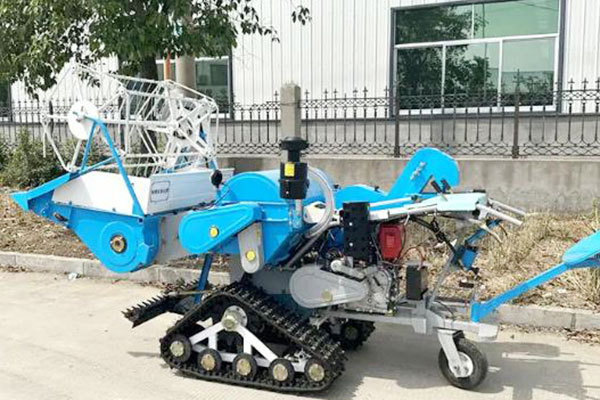

Rice is one of the most important staple crops in the world, feeding billions of people every day. In major rice-producing countries, including those in Asia, efficient harvesting is critical to ensure high yields and good grain quality. This is where the rice combine harvester plays an essential role. Understanding how rice combine harvester works helps farmers choose the right equipment and operate it for the best results.

- Cutting the Rice Crop
The first step in how rice combine harvester works is cutting the mature rice plants. The front part of the machine, called the header, gently cuts the rice stems at the base. This is important because rice grains are delicate, and rough handling can lead to breakage or loss. In wet paddy fields, a track-type harvester provides better stability and reduces field damage. - Feeding the Plants into the Machine
Once cut, the rice plants move into the feeding system. Depending on the harvester design, this can be full-feeding, where the whole plant enters the threshing unit, or half-feeding, where only the panicles and upper stems are processed. For wet and muddy paddy fields, the full-feeding system is often preferred as it improves grain recovery and works well with different rice varieties. - Threshing – Separating Grain from Straw
The threshing drum is the heart of how rice combine harvester works. Inside, the cut rice plants are beaten and rubbed to separate the grains from the straw. This process must be carefully controlled to avoid damaging the grains while ensuring complete separation. High-quality harvesters have adjustable drum speed to match different rice moisture levels and field conditions. - Cleaning the Grains
After threshing, the mixture of grains, straw fragments, and chaff passes to the cleaning unit. Fans blow away lighter materials, while sieves sort and filter the grains. The goal is to produce clean rice ready for drying and storage. Good cleaning reduces post-harvest work and improves the selling price of the rice. - Collecting and Unloading
Finally, the clean rice is stored in the harvester’s grain tank. Once full, the machine uses a hydraulic unloading system to transfer the grains into sacks or trailers. This continuous process saves time, reduces labor needs, and keeps harvesting efficient even in large paddy fields.
Rice Combine Harvester Benefits
Reduced grain loss – Proper operation preserves more rice per hectare.
Better grain quality – Less damage means higher market value.
Time and labor savings – One machine replaces many manual workers.
Adaptability – Works in various terrains, including wet, soft, and uneven fields.
Conclusion
Knowing how rice combine harvester works helps farmers maximize the advantages of this powerful machine. From cutting and feeding to threshing, cleaning, and unloading, every step is designed to handle rice gently yet efficiently. For paddy-growing regions, choosing the right harvester and using it correctly can greatly improve productivity, reduce costs, and boost farm income.
📩 Looking for the best rice combine harvester for your farm? Contact us today to get expert recommendations, specifications, and pricing tailored to your needs.