

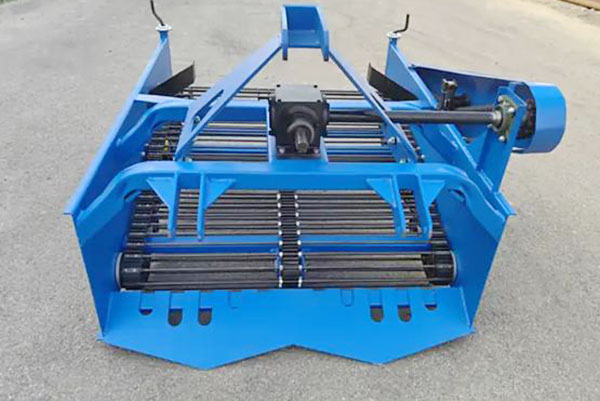

А compact tractor potato harvester represents a critical investment for modern farmers targeting efficiency in root crop harvesting. Prices typically range from hundreds to thousands of dollars for PTO-driven models, depending on factors like row configuration, materials, and technology. This wide variance hinges on two pillars: equipment material quality и engineering professionalization.

Affecting Potato Harvester Costs Key Factors
1. Material Quality and Component Durability
- Основные компоненты: Gearboxes and PTO shafts constructed from hardened alloy steel significantly increase longevity but add 15–20% to the base cost. Economical models often use standard carbon steel, risking deformation under heavy soil conditions.
- Structural Framing: Heavy-duty harvesters (180 kg vs. 100 kg lightweight models) employ reinforced steel frames and vibration-resistant fasteners. This reduces maintenance frequency but elevates shipping and manufacturing expenses.
- Specialized Attachments: Digging blades with chromium coating minimize soil adhesion, enhancing efficiency in clay soils—adding dozens to hundreds of dollars to the unit price.
2. Professionalization in Design and Functionality
Professional engineering directly impacts productivity and cost. Below is a breakdown of key design features and their technical and price effects:
| Design Feature | Technical Impact | Price Effect |
|---|---|---|
| Anti-Clogging Systems | Reversible oscillation bars prevent weed/root entanglement | +10–15% vs. basic models |
| Vibration Separation | Adjustable amplitude shakers improve soil-cleaning efficiency (≥99.5% potato recovery) | +$165 |
| Modular Configurations | Interchangeable parts for multi-crop use (НАПРИМЕР., potato/carrot/garlic) | +$200–$400 |
| Ergonomic Controls | Hydraulic depth adjustment and foldable frames enhance hillside adaptability | +25% for hillside models |
High-tier models integrate GIS-guided automation and floating tillers, slashing losses to ≤5% but commanding prices 6× higher than basic units.
3. Certification and Testing Overheads
CE-certified harvesters undergo rigorous fatigue testing (НАПРИМЕР., 300+ operational hours) and include vibration/noise compliance upgrades, contributing 8–12% to the final cost. Non-certified alternatives lack verified reliability data, increasing risks in long-term operation.
Strategic Investment Recommendations
- Smallholders (<5 hectares): Single-row PTO harvesters (costing a few hundred dollars) balance affordability and functionality in fragmented fields.
- Commercial Farms: Should prioritize dual-row CE-certified models (thousands of dollars) with vibration separation—delivering 0.3–0.5 ha/h efficiency and ROI within two seasons.
Maintenance Tip: Annual gearbox oil replacement and spring-tine cleaning can reduce wear costs by up to 40%.
Заключение: Smart Spending = Long-Term Gains
The true “cost” of a compact tractor potato harvester transcends the upfront price tag. It’s a function of material resilience, agronomic precision, и operational adaptability. Investing in professional-grade materials (alloy components, coated blades) and engineered features (anti-clogging, modularity) significantly reduces lifetime ownership expenses, even at higher initial outlays.
Got experiences with potato harvesters? Share your maintenance hacks or ROI stories below!
→ Know a farmer battling harvest costs? Tag them to spread these insights!