

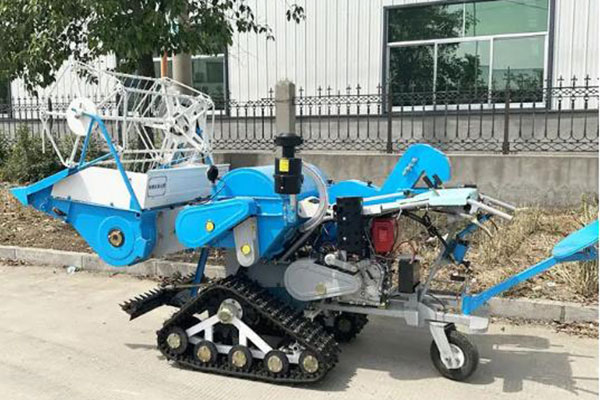

Rice combine harvester price in Nigeria ranges widely, typically from a few thousand to tens of thousands of dollars, depending on machine size, and configuration. Small-scale farmers may opt for compact models priced at the lower end, while large-scale commercial farms often invest in more advanced machines with higher capacity and technology. Understanding the factors that influence the price of a rice combine harvester is essential for Nigerian farmers aiming to balance budget and productivity.

Affecting Rice Combine Harvester Price in Nigeria Key Factors
Machine Size and Capacity
The bigger the harvester, the higher the price. Compact rice harvesters with single-row or small tank capacity are affordable for smallholder farmers in states like Kano or Ebonyi, where rice farming plots are relatively smaller. Larger machines with multi-row harvesting systems are more suitable for Kebbi or Niger state, where rice cultivation is done on larger fields.
Feeding System – Full-Feeding vs. Half-Feeding
Full-feeding harvesters, which process the entire rice plant, generally cost more than half-feeding types. In Nigeria, where wet paddy fields and uneven terrains are common, especially in the Niger Delta region, farmers prefer full-feeding machines because they improve efficiency and minimize grain loss.
Engine Power and Fuel Type
Machines with diesel-powered engines are more expensive but more efficient in heavy-duty work compared to electric models. Given Nigeria’s frequent power supply challenges, most farmers rely on diesel-driven rice combine harvesters, which adds to the cost but ensures reliability in rural areas.
Technology and Features
Advanced features like adjustable threshing drums, multi-stage cleaning systems, and hydraulic unloading raise the price. However, these are vital for Nigerian farmers in regions like Benue and Taraba, where high grain purity directly impacts selling prices in local and export markets.
Field Conditions and Adaptability
Nigeria’s rice fields vary from flood-prone paddies in Kebbi to upland fields in Plateau State. Machines that are adaptable to both wet and dry conditions cost more but deliver greater long-term value. Farmers investing in adaptable track-type harvesters often pay higher upfront but save money over multiple harvest seasons.
Conclusion
The rice combine harvester price in Nigeria depends on machine size, feeding system, engine type, technology, and adaptability to local field conditions. Prices may vary between a few thousand to tens of thousands of dollars, with farmers making decisions based on their farm scale, budget, and productivity goals.
👉 If you found this article useful, we’d love to hear your thoughts. Leave a comment below, share this blog with fellow farmers, or spread it on social media to help more Nigerian farmers make informed decisions about investing in rice combine harvesters.