

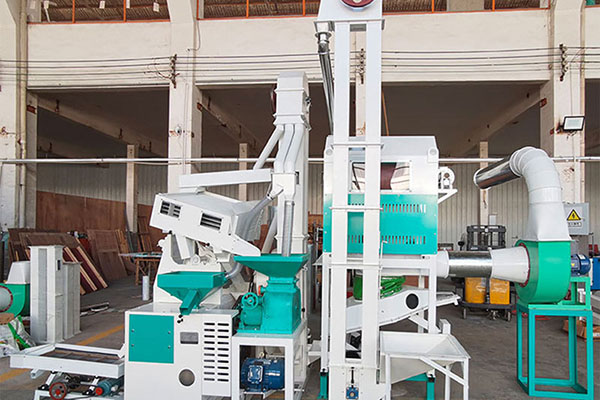

The global demand for rice is unwavering, making the rice mill machine industry one of the most stable sectors in agribusiness. However, transitioning from an interest in agriculture to a profitable enterprise requires more than just purchasing equipment; it requires a strategic rice milling machine business plan.
Whether you are an entrepreneur in Southeast Asia, Africa, or Latin America, this guide breaks down the essential components of launching a successful milling operation.
1. Understanding Your Market and Target Audience
Before drafting your rice milling machine business plan, you must identify who you are serving. Most successful small-to-medium rice milling businesses target two primary segments:
- Local Farmers: Those who need “toll milling” services (processing their paddy for a fee). Their pain points are high broken rice rates and long wait times.
- Wholesale Distributors: Businesses that buy bulk processed rice. Their pain point is inconsistent quality and supply chain delays.
To win these customers, your rice mill machine must deliver high purity and a low breakage rate. In the competitive rice market, quality is your best SEO strategy—word of mouth travels fast in farming communities.
2. The Core of Your Plan: Selecting the Right Rice Mill Machine
The heart of your investment is the rice mill machine itself. A common mistake is buying a machine based solely on price rather than technical specifications.
Key Technical Considerations:
- Output Capacity: For small farms, a capacity of 1000kg/h to 2000kg/h is often the “sweet spot” for ROI.
- Milling Degree: Can the machine produce “well-milled” rice that meets export standards?
- Power Source: In many developing regions, a diesel-powered rice mill machine is superior to electric models due to unstable local power grids.

Pro Tip: Look for a “Combined Rice Mill.” These units integrate de-stoning, husking, and polishing into one footprint, significantly reducing labor costs and space requirements.
3. Financial Projections and ROI Analysis
A professional rice milling machine business plan must include a clear financial outlook. Based on industry data from 2025-2026, a standard compact rice mill machine operation typically sees a return on investment within 8 to 14 months, depending on local paddy prices.
| Expense Category | Estimated Cost (USD) | Notes |
| Rice Mill Machine | $3,000 – $8,500 | Depends on capacity and automation |
| Site Preparation | $1,500 – $3,000 | Ventilation and dry storage are critical |
| Initial Paddy Stock | $5,000+ | Vital for consistent production |
| Operational Costs | $500/month | Fuel/Electricity and basic maintenance |
4. Operational Excellence: From Paddy to Polished Rice
High-quality output is the only way to ensure long-term business survival. Your rice mill machine should follow a standardized process:
- Cleaning & De-stoning: Removing impurities protects your rice mill machine from damage and ensures consumer safety.
- Husking: Efficiently removing the outer husk without breaking the grain.
- Whitening & Polishing: This stage determines the “shelf appeal.” A high-quality rice mill machine will produce grains with a translucent, shiny finish.
- Grading: Separating broken grains from head rice. Remember, head rice sells at a 20-30% premium.
5. Overcoming Common Challenges (The “Unique Experience” Factor)
In my years of consulting for agricultural trade, I’ve noticed that the biggest failure point isn’t the machine—it’s the by-product management.
A smart rice milling machine business plan doesn’t just focus on rice; it focuses on rice husk and bran.
- Rice Bran: High in oil and protein, it can be sold to animal feed factories as a secondary revenue stream.
- Rice Husk: Can be sold as fuel for brick kilns or processed into biomass pellets.
By monetizing 100% of the input, you insulate your business against fluctuations in the market price of white rice.
6. Marketing Your Milling Services
To make your rice mill machine the go-to facility in your region, focus on transparency.
- Demonstrate Efficiency: Show farmers the “Head Rice Recovery” rate of your rice mill machine. If you can prove a 70% recovery rate compared to a competitor’s 65%, the farmers will flock to you.
- Digital Presence: Even in rural areas, wholesale buyers search online. Ensure your business is listed on Google Maps and local B2B directories.
Conclusion
Starting a rice business is a marathon, not a sprint. A robust rice milling machine business plan combined with a high-performance rice mill machine is the foundation of your success. By focusing on grain quality, minimizing waste, and understanding your local mechanics, you can turn a simple machine into a thriving international trade enterprise.
If you are ready to take the next step, prioritize equipment that offers durability and technical support. Your rice mill machine is not just hardware; it is the engine of your financial independence.