

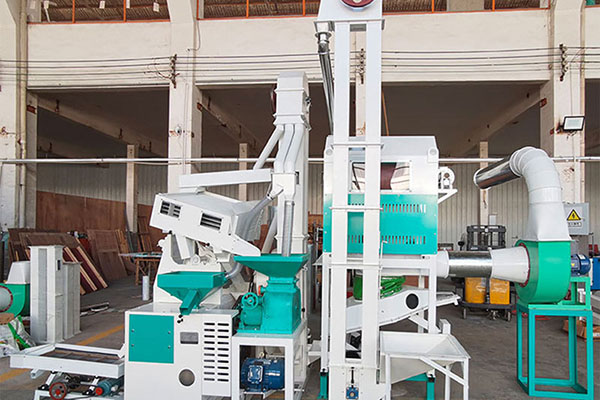

Die wêreldwye vraag na rys is onwrikbaar, making the rice mill machine industry one of the most stable sectors in agribusiness. Egter, die oorgang van 'n belang in die landbou na 'n winsgewende onderneming verg meer as net die aankoop van toerusting; it requires a strategic rice milling machine business plan.
Of jy nou 'n entrepreneur in Suidoos-Asië is, Africa, or Latin America, this guide breaks down the essential components of launching a successful milling operation.
1. Understanding Your Market and Target Audience
Before drafting your rice milling machine business plan, you must identify who you are serving. Most successful small-to-medium rice milling businesses target two primary segments:
- Local Farmers: Those who need “toll milling” services (processing their paddy for a fee). Their pain points are high broken rice rates and long wait times.
- Wholesale Distributors: Businesses that buy bulk processed rice. Their pain point is inconsistent quality and supply chain delays.
To win these customers, your rice mill machine must deliver high purity and a low breakage rate. In the competitive rice market, quality is your best SEO strategy—word of mouth travels fast in farming communities.
2. The Core of Your Plan: Selecting the Right Rice Mill Machine
The heart of your investment is the rice mill machine itself. A common mistake is buying a machine based solely on price rather than technical specifications.
Key Technical Considerations:
- Output Capacity: For small farms, a capacity of 1000kg/h to 2000kg/h is often the “sweet spot” for ROI.
- Milling Degree: Can the machine produce “well-milled” rice that meets export standards?
- Power Source: In many developing regions, a diesel-powered rice mill machine is superior to electric models due to unstable local power grids.

Pro Tip: Look for a “Combined Rice Mill.” These units integrate de-stoning, husking, and polishing into one footprint, significantly reducing labor costs and space requirements.
3. Financial Projections and ROI Analysis
A professional rice milling machine business plan must include a clear financial outlook. Based on industry data from 2025-2026, a standard compact rice mill machine operation typically sees a return on investment within 8 aan 14 months, depending on local paddy prices.
| Expense Category | Estimated Cost (USD) | Notes |
| Rysmeulmasjien | $3,000 – $8,500 | Depends on capacity and automation |
| Site Preparation | $1,500 – $3,000 | Ventilation and dry storage are critical |
| Initial Paddy Stock | $5,000+ | Vital for consistent production |
| Operational Costs | $500/month | Fuel/Electricity and basic maintenance |
4. Operational Excellence: From Paddy to Polished Rice
High-quality output is the only way to ensure long-term business survival. Your rice mill machine should follow a standardized process:
- Cleaning & De-stoning: Removing impurities protects your rice mill machine from damage and ensures consumer safety.
- Husking: Efficiently removing the outer husk without breaking the grain.
- Whitening & Polishing: This stage determines the “shelf appeal.” A high-quality rice mill machine will produce grains with a translucent, shiny finish.
- Grading: Separating broken grains from head rice. Remember, head rice sells at a 20-30% premium.
5. Overcoming Common Challenges (Die “Unique Experience” Factor)
In my years of consulting for agricultural trade, I’ve noticed that the biggest failure point isn’t the machine—it’s the by-product management.
A smart rice milling machine business plan doesn’t just focus on rice; it focuses on rice husk and bran.
- Rice Bran: High in oil and protein, it can be sold to animal feed factories as a secondary revenue stream.
- Rice Husk: Can be sold as fuel for brick kilns or processed into biomass pellets.
By monetizing 100% of the input, you insulate your business against fluctuations in the market price of white rice.
6. Marketing Your Milling Services
To make your rice mill machine the go-to facility in your region, focus on transparency.
- Demonstrate Efficiency: Show farmers the “Head Rice Recovery” rate of your rice mill machine. If you can prove a 70% recovery rate compared to a competitor’s 65%, the farmers will flock to you.
- Digital Presence: Even in rural areas, wholesale buyers search online. Ensure your business is listed on Google Maps and local B2B directories.
Gevolgtrekking
Starting a rice business is a marathon, not a sprint. A robust rice milling machine business plan combined with a high-performance rice mill machine is the foundation of your success. By focusing on grain quality, minimizing waste, and understanding your local mechanics, you can turn a simple machine into a thriving international trade enterprise.
If you are ready to take the next step, prioritize equipment that offers durability and technical support. Your rice mill machine is not just hardware; it is the engine of your financial independence.