

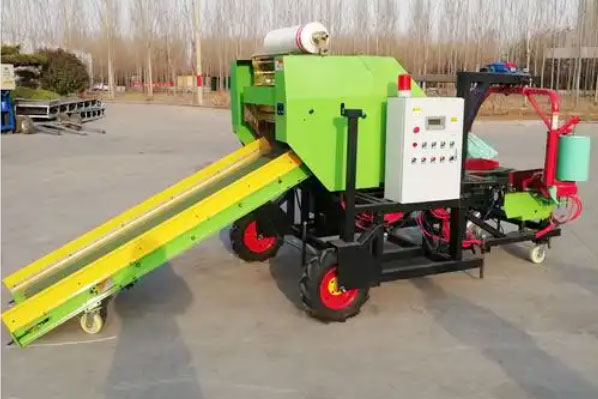

В сельскохозяйственном секторе Кении, силос становится все более важным в качестве высококачественного корма для скота.. Он эффективно решает проблему нехватки кормов в засушливый сезон., сохраняет пищевую ценность корма, и увеличивает производство молока и мяса.
Однако, традиционные методы производства силоса имеют множество недостатков, такие как значительная потеря питательных веществ, восприимчивость к плесени, и значительная восприимчивость к погоде. Именно на этом фоне пресс-подборщик для силосапоявились, предоставление современного решения для кенийских фермеров и пастухов.
01 Кенийские сельскохозяйственные проблемы: Сохранение силоса и нехватка кормов
Животноводство играет жизненно важную роль в сельском хозяйстве Кении.. Однако, сезонные засухи часто приводят к нехватке кормов, проблема многих фермеров.
Силос, представляет собой траву или солому, консервированную посредством анаэробной ферментации., сохраняет питательные вещества в течение длительного периода времени, что делает его идеальным решением для преодоления продовольственного кризиса в засушливый сезон..
Традиционные методы хранения силоса, например, силос из ям или штабельный силос, неэффективны в климате Кении и легко подвергаются воздействию дождя и воздуха., приводит к ухудшению качества корма.
Исследования показали, что традиционные методы силосования могут привести к таким высоким показателям потерь корма, как 20%-30%, в то время как силос, приготовленный с помощью пресс-подборщиков, может снизить эти потери менее чем до 5%.
Для кенийских фермеров, инвестиции в пресс-подборщик для силоса — это больше, чем просто покупка машины; это важнейший шаг в обеспечении того, чтобы скот получал высококачественные корма круглый год..

02 Преимущества пресс-подборщика для силоса: Революционная технология консервации
Пресс-подборщик для силоса – это машина, сочетающая в себе резку, уплотнение, пакетирование, и функции упаковки. Создает бескислородную среду, стимулирование молочнокислого брожения и сохранение питательных веществ корма с течением времени.
Улучшение качества корма
Пресс-подборщик для силоса производит плотную, хорошо запечатанные тюки, эффективно блокирует воздух и влагу, предотвращение плесени.
“Потому что тюкованный силос хорошо запечатан., домашний скот достигает 100% коэффициент использования корма, устранение отходов из-за повреждения плесенью и значительное снижение потерь жидкого корма.”
Гибкость и удобство
По сравнению с традиционными методами силоса, тюкованный силос не зависит от сезона, солнечный свет, дождь, или уровень грунтовых вод. Подготовленные тюки силоса можно хранить на открытом воздухе. 2-3 годы.
Такая гибкость особенно важна в условиях меняющегося климата Кении., позволяя фермерам заготавливать силос в сезоны обильных пастбищ для использования в засушливый сезон..
Снижение воздействия на окружающую среду
Прессование силоса экологически безопасно., растущая обеспокоенность в Кении. С растущим экологическим сознанием, это преимущество еще более важно.
03 Основные характеристики продукта: Разработан специально для кенийских ферм.
На рынке доступно несколько пресс-подборщиков для силоса, подходящих для кенийских ферм., но один автоматический мини-подборщик для рулонного силоса выделяется. Его основные характеристики следующие::
Размер тюка: φ550*520 мм
Вес машины: 510 кг
Эффективность: 60-65 тюков/час, 5-6 тонн/час
Вес тюка: 65-100 кг
Эта машина оснащена 5.5+1.1 трехфазный двигатель кВт, Также доступен дизельный двигатель для удовлетворения потребностей в мощности различных регионов Кении..
Еще одна модель, представленная в Кении, отличается высокопроизводительной конструкцией с весом тюков между 60 и 100 кг, подходит для различных культур соломы, включая кукурузу, пшеница, и соевые бобы.
Эти машины обычно поставляются с годовой гарантией на основные компоненты., некоторые бренды даже предлагают двухлетнюю гарантию, обеспечение спокойствия кенийских фермеров.
04 Локализованные приложения: Адаптация к кенийским сельскохозяйственным реалиям
Пресс-подборщики для силоса имеют широкий спектр применения в Кении и особенно хорошо подходят для следующих сценариев::
Молочное животноводство
Кенийские молочные фермы, особенно крупные фермы в регионе Рифт-Валли, можно увеличить производство молока за счет использования пресс-подборщиков для силоса.
Качественный силос обеспечивает сбалансированное питание., помогая коровам поддерживать стабильное производство молока, даже в сухой сезон.
Разведение говядины и овец
Для мясных и овцеводческих ферм, Пресс-подборщики для силоса гарантируют, что животные будут получать достаточный корм круглый год, сокращение времени выхода на рынок и повышение экономической эффективности.
Подходит для небольших ферм
Малогабаритные пресс-подборщики для силоса, например, автоматическая мини-модель, также подходят для небольших ферм в Кении.
Эти машины относительно доступны по цене и просты в эксплуатации., обеспечение современного производства силоса без больших инвестиций.

05 Руководство по покупке: Практические советы для кенийского рынка
При выборе пресс-подборщика для силоса в Кении, учитывать следующие факторы:
Выбор мощности
Выберите электрическую или дизельную модель в зависимости от энергообеспеченности вашей фермы.. В регионах со стабильным электроснабжением можно выбрать электрическую модель., в то время как отдаленные районы могут быть более подходящими для дизельной модели.
Эффективность производства
Выберите машину с соответствующей эксплуатационной эффективностью в зависимости от размера фермы и требований к корму.. Небольшие фермы могут выбрать машину, способную 50-80 тюков в час, в то время как более крупные фермы требуют более эффективной машины.
06 Обзор рынка: Тенденция модернизации сельского хозяйства Кении
Как правительство Кении продвигает модернизацию сельского хозяйства, спрос на эффективную сельскохозяйственную технику растет.
Такие мероприятия, как Кенийская международная выставка продовольствия и сельского хозяйства, демонстрируют приверженность страны модернизации сельскохозяйственных технологий., содействие модернизации кенийского сельского хозяйства посредством выставок.
В качестве основного оборудования для животноводства, Пресс-подборщики для силоса имеют широкие перспективы на рынке Кении. Они не только повышают эффективность кормления, но и поддерживают устойчивое развитие животноводческой отрасли Кении..
На рынок Кении выходит все больше пресс-подборщиков для силоса китайского производства., местные фермеры смогут получить доступ к этим высокоэффективным машинам по более разумным ценам..
Выбор подходящего пресс-подборщика для силоса – это больше, чем просто покупка машины; это инвестиции в устойчивое будущее кенийских ферм. Если вы также занимаетесь животноводством в Кении и заинтересованы в покупке пресс-подборщика для силоса для своей фермы, пожалуйста, не стесняйтесь обращаться к нам онлайн для получения более подробной информации.