
-
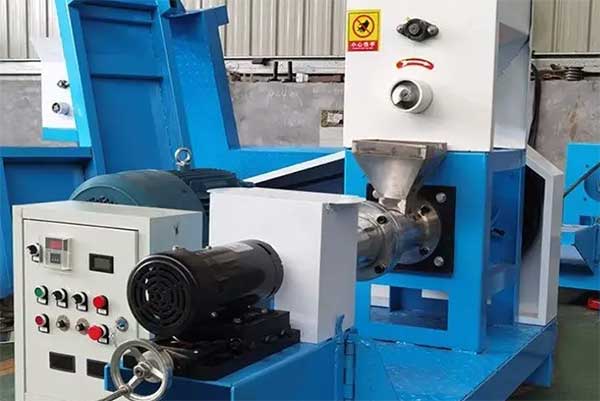
Coût de la machine à granulés d'alimentation des poissons au Nigéria
If you are searching for the cost of fish feed pelleting machine in Nigeria, the price usually ranges from several hundred to tens of thousands of US dollars. ou plus. A small cost of fish feed pelleting machine for a small fish farm may ranges from several hundred to over a thousand US dollars., a industrial…
-
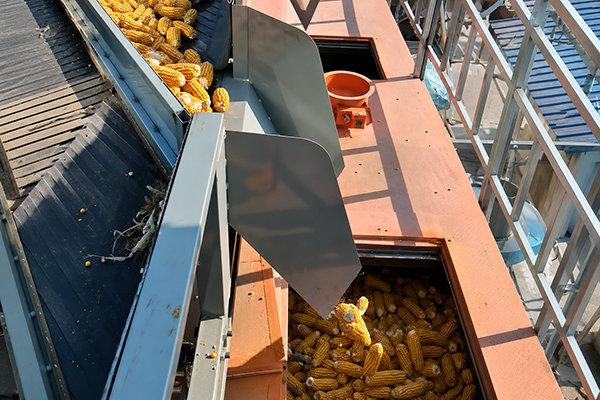
Processus de séchage des épis de maïs
Pour les agriculteurs, coopératives agricoles, et producteurs de semences du monde entier, le processus de séchage des épis de maïs est l’une des opérations post-récolte les plus critiques. Les épis de maïs fraîchement récoltés contiennent généralement des niveaux d'humidité allant de 25% à plus 40%, ce qui les rend très sensibles à la croissance de moisissures, contamination par les aflatoxines, et une détérioration rapide. Sans séchage adéquat, des récoltes entières peuvent être compromises,…
-
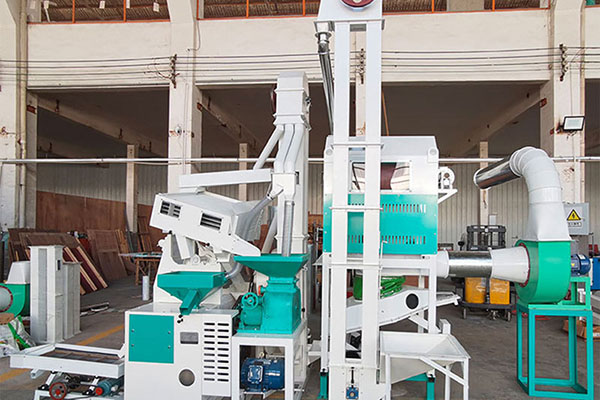
Plan d'affaires de la fraiseuse à riz
La demande mondiale de riz est inébranlable, faisant de l'industrie des machines de rizerie l'un des secteurs les plus stables de l'agro-industrie. Cependant, passer d’un intérêt pour l’agriculture à une entreprise rentable nécessite plus que le simple achat d’équipement; cela nécessite un plan d'affaires stratégique pour la fraiseuse à riz. Que vous soyez entrepreneur en Asie du Sud-Est,…
-
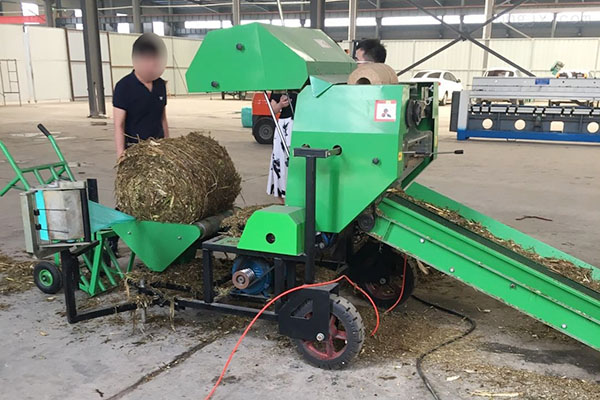
Combien de temps faut-il pour que les balles d'ensilage fermentent ?
Si vous cherchez une réponse claire: les balles d'ensilage prennent généralement 2 à 6 semaines pour terminer la fermentation primaire, en fonction de l'humidité, densité, et qualité d'étanchéité. Dans des conditions optimales, une préservation stable peut commencer dès 14 jours, mais une fermentation complète et une meilleure qualité alimentaire sont généralement obtenues après 30 à 45 jours. Ce calendrier est important parce que…
-
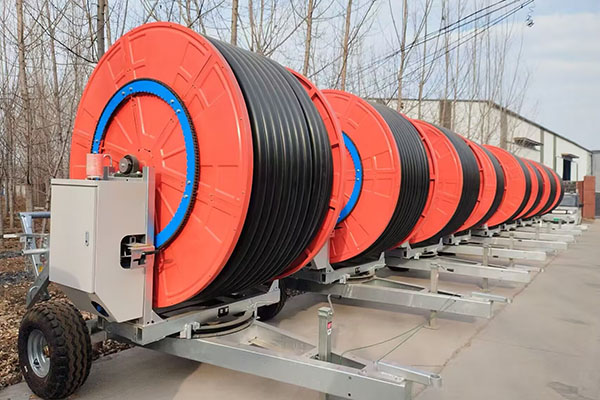
Exigences électriques du système d’irrigation par enrouleur de tuyau
Lors de la sélection d’un système d’irrigation à enrouleur de tuyau, comprendre ses exigences électriques est essentiel pour garantir un fonctionnement stable, efficacité énergétique, et durabilité à long terme. Qu'il soit utilisé dans les champs agricoles, terrains de sport, ou des projets d'aménagement paysager, la configuration électrique a un impact direct sur les performances du système. Présentation des composants électriques d'un système d'irrigation à enrouleur de tuyau Un système d'irrigation à enrouleur de tuyau moderne…
-
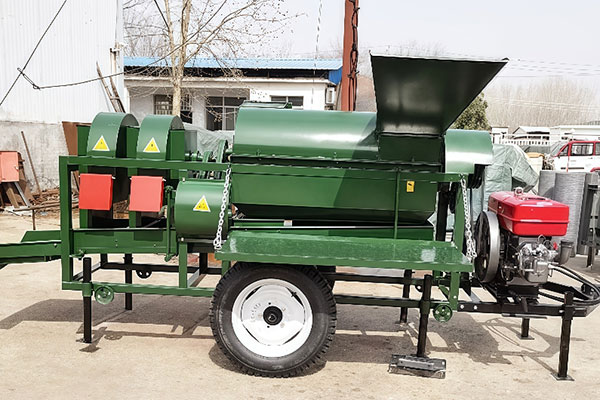
Comment fonctionne une batteuse de maïs ?
Dans le traitement moderne des céréales, l’amélioration de l’efficacité après récolte est essentielle pour les exploitations agricoles et les entreprises agricoles. Une batteuse de maïs joue un rôle central dans la séparation rapide des grains de maïs des épis tout en minimisant la perte de grains. Comprendre le fonctionnement d'une batteuse de maïs aide les acheteurs, distributeurs, et les exploitants agricoles choisissent le bon équipement pour différentes échelles de production. Batteuse à maïs travaillant…
-
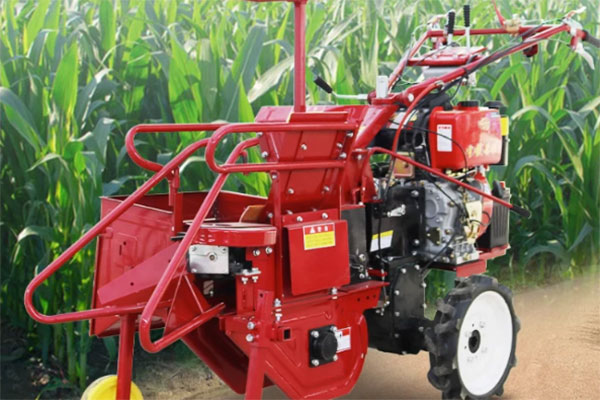
Comment le maïs est-il cueilli à la main par une machine de récolte de maïs?
Depuis des générations, l'image de la récolte du maïs impliquait des mains calleuses, dos courbés, et le claquement rythmé des oreilles tordues des tiges. Alors que la cueillette traditionnelle à la main est une méthode séculaire, les exigences agricoles du 21ème siècle exigent de l'efficacité même sur les plus petites parcelles. Cela conduit à une question commune parmi les petits exploitants agricoles: Comment le maïs est-il cueilli…
-
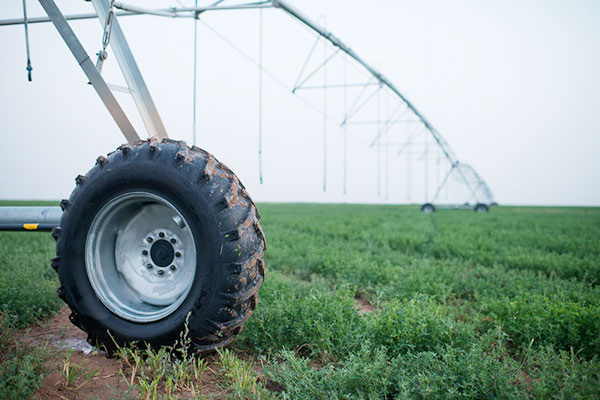
Comment les systèmes d'irrigation à pivot central se déplacent-ils ?
Comprendre comment se déplacent les systèmes d'irrigation à pivot central est essentiel pour les agriculteurs et les investisseurs agricoles qui souhaitent maximiser l'efficacité de l'eau et le rendement des cultures.. Un système d’irrigation à pivot central est l’une des technologies d’irrigation les plus utilisées dans l’agriculture à grande échelle., surtout dans le maïs, blé, luzerne, et production fourragère. Son mécanisme de mouvement est le cœur…
Contact : +86 187 4941 0990
/
e-mail : agriculturalmachine0@gmail.com
